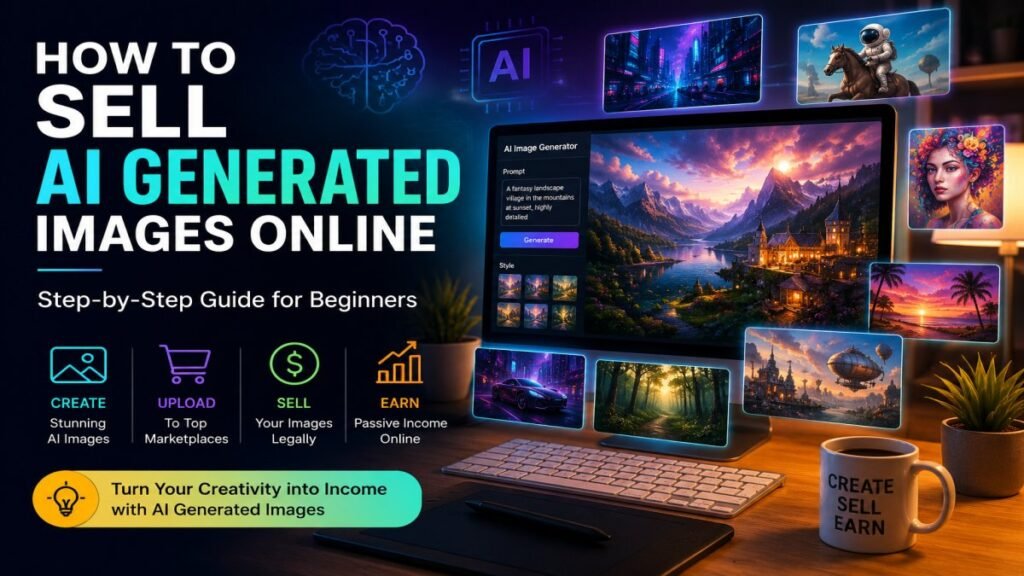
Have you ever wondered if you can make money by selling images created with AI? The answer is yes. Today, many people sell AI generated images and earn money online. Some do it as a side hustle, while others turn it into a full-time business.
But many beginners have questions. Where can you sell AI generated images? Which are the best websites to sell AI art? Is it legal? How can you make money with AI images without copyright problems? If you have the same questions, this guide is for you.
Quick Answer
Yes, you can sell AI generated images online if your AI tool allows commercial use and you follow the marketplace’s rules. Popular platforms include Etsy, Adobe Stock, Freepik, Gumroad, Redbubble, and Creative Market. To succeed, create original, high-quality images, use the right keywords, and upload your work consistently.
In this article, you will learn how to sell AI generated images online step by step. You will discover the best platforms, learn how to choose the right one, avoid common mistakes, understand AI image copyright, and find simple tips to grow your AI image business. By the end of this guide, you will have a clear plan to start selling your AI art with confidence.
Who is this guide for?
This guide is written for beginners who want to learn how to sell AI generated images online. It explains the basic process, common challenges, and practical tips in simple language.
Can You Sell AI Generated Images Online?
Yes, you can sell AI generated images online, but you need to understand a few important things before starting. AI tools have made it easier for people to create artwork, illustrations, and designs without traditional drawing skills. Many creators now use AI images for online businesses, digital products, and creative projects.
Is It Legal to Sell AI Generated Images?
In most cases, selling AI generated images is allowed if you follow the rules of the AI tool and the platform where you sell your images. However, the laws and copyright rules for AI-created content are still developing in many countries.
For example, if you create an AI image using a tool that gives you commercial rights, you may be able to use that image for selling products, advertisements, or digital downloads. But if the tool does not allow commercial use, you should not sell those images.
Who Can Sell AI Generated Images?
Anyone with creativity and basic knowledge of AI tools can start selling AI generated images. You do not need to be a professional artist or designer.
For example:
- A beginner can create AI wall art and sell it online.
- A blogger can create unique images for websites and digital products.
- A business owner can create marketing graphics for social media.
- A designer can create AI illustrations for clients.
The most important thing is creating useful and high-quality images that people want to buy.
What Should You Check Before Selling AI Images?
Before uploading your AI images to any marketplace, check these things:
- AI Tool License: Make sure the AI generator allows commercial use.
- Platform Rules: Read the selling rules of websites like Etsy, Adobe Stock, or other marketplaces.
- Image Quality: Make sure your images are clear, unique, and professionally edited.
- Copyright Issues: Avoid creating images that copy famous characters, brands, or other people’s artwork.
Understanding Commercial Rights of AI Images
Commercial rights mean you have permission to use an image for business purposes. This can include selling digital downloads, printing images on products, or using them in marketing materials.
For example, if an AI tool provides commercial rights, you may use an image to create posters, book covers, or social media designs and sell them. But always check the license terms because every AI tool has different rules.
In short, you can sell AI generated images online, but success depends on creating original work, following copyright rules, and understanding the rights you have for your images.
What You Need Before Selling AI Images?
Before you start selling AI generated images online, you need a few basic things. You do not need to be a professional artist or have expensive equipment. With the right tools, creativity, and knowledge, anyone can start creating and selling AI images.
1. Choose a Good AI Image Generator
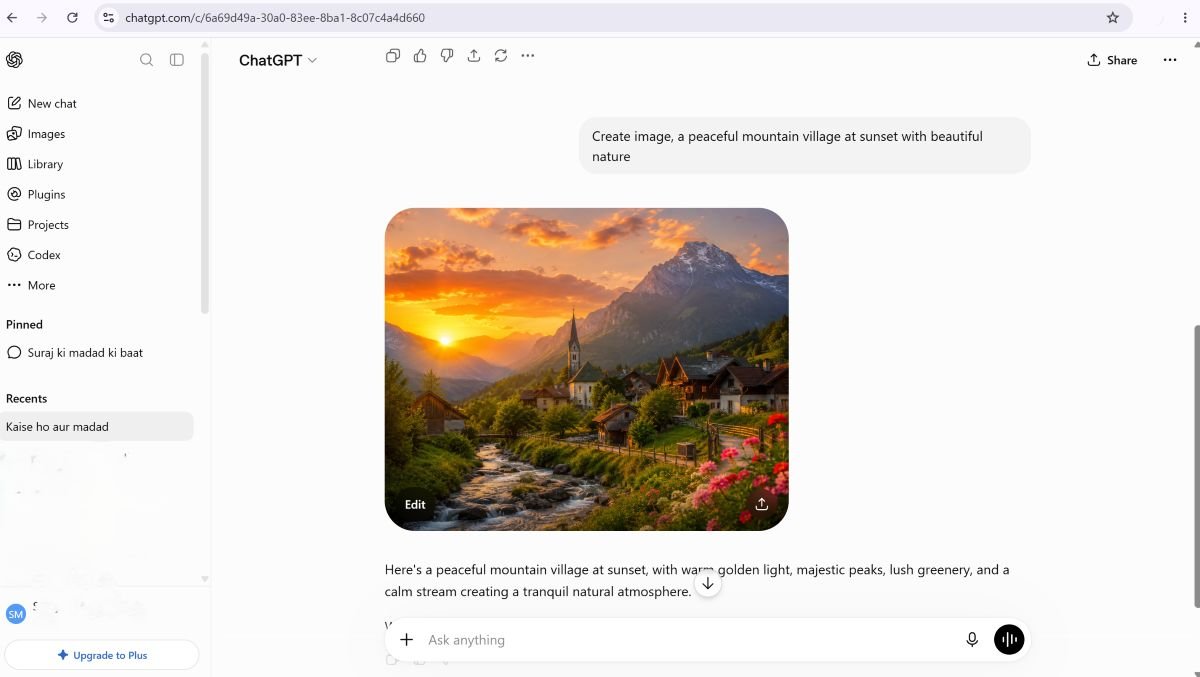
The first thing you need is a reliable AI image generator. These tools help you create images from simple text descriptions called prompts.
For example, you can write a prompt like:
“A peaceful mountain village at sunset with beautiful nature”
The AI tool can create a detailed image based on your idea.
Some popular AI image generators include tools that can create:
- Digital artwork
- Business illustrations
- Product images
- Social media graphics
- Background images
Before using any AI tool, always check whether it allows commercial use. This is important because you need permission to sell the images you create.
2. Understand Commercial License and Usage Rights
Before offering your images, you should understand the license of your AI tool. A commercial license gives you permission to use images for business purposes.
For example, if an AI tool allows commercial use, you may sell your AI artwork as:
- Digital downloads
- Wall art
- Print-on-demand products
- Website graphics
But if a tool does not allow commercial use, selling those images may create problems.
3. Create High-Quality and Unique Images
Quality is one of the most important things when selling AI images. Many people can create AI pictures, but buyers look for unique and useful designs.
For example:
- A simple random landscape image may not get much attention.
- A beautiful, well-designed travel poster or business illustration may have more value.
You should improve your images by:
- Choosing better prompts
- Editing colors and details
- Removing unwanted elements
- Creating different versions
4. Learn Basic Image Editing Skills
AI tools can create amazing images, but sometimes they need small improvements. Basic editing skills can help you make your images look more professional.
You can use editing tools to:
- Adjust brightness and colors
- Increase image quality
- Add text or design elements
- Resize images for different platforms
For example, an AI-generated image can be edited into a professional Instagram post, website banner, or printable artwork.
5. Research What People Want to Buy
Before creating many images, understand what customers are looking for. Selling random images may not bring good results.
Research popular categories such as:
- Business images
- Nature artwork
- Educational graphics
- Fantasy designs
- Printable wall art
- Social media templates
Creating images based on market demand can increase your chances of getting sales.
In short, before selling AI images, you need the right AI tool, commercial rights, quality designs, basic editing knowledge, and an understanding of customer needs.
Best Websites to Sell AI Generated Images
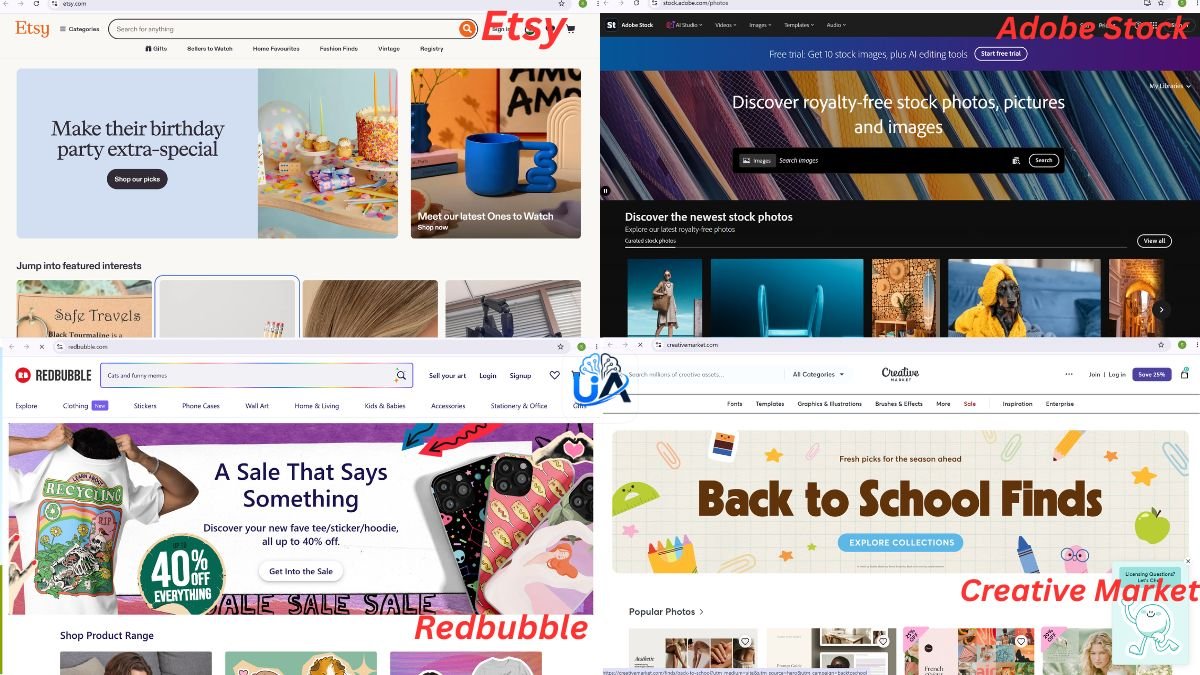
After creating high-quality AI images, the next step is choosing the right platform to sell them. Different websites have different rules, audiences, and earning opportunities. Some platforms are best for digital artwork, while others are better for stock images, print products, or custom designs.
Before uploading your images, always check the platform’s AI content policy, copyright rules, and payment terms.
Here are some popular websites where you can sell AI generated images:
1. Etsy
Etsy is one of the most popular platforms for selling digital products. Many creators sell AI artwork, printable wall art, planners, stickers, and design templates on Etsy.
Example:
You can create an AI-generated home decoration poster and sell it as a digital download. A customer can buy it and print it at home.
Best for:
- Digital artwork
- Printable designs
- Wall art
- Creative products
2. Adobe Stock
Adobe Stock allows creators to sell stock images, illustrations, and other visual content. If your AI images meet their requirements, you can submit them and earn money when customers license your work.
Example:
You can create AI-generated business backgrounds, technology images, or marketing visuals and upload them for companies and designers to use.
Best for:
- Stock images
- Business visuals
- Professional illustrations
3. Freepik
Freepik is a popular platform for graphic designers and content creators. It offers many types of design resources, including images, vectors, and templates.
Example:
You can create AI-generated social media templates, icons, or background designs that other creators may use in their projects.
Best for:
- Graphic resources
- Design templates
- Creative assets
4. Redbubble
Redbubble allows artists to upload designs that can be printed on products like t-shirts, stickers, phone cases, and posters.
Example:
You can create a unique AI fantasy artwork and sell it on a t-shirt or poster without managing inventory.
Best for:
- Print-on-demand products
- Artwork designs
- Merchandise
5. Gumroad
Gumroad allows creators to sell digital products directly to customers. You can sell AI image packs, design bundles, or exclusive artwork.
Example:
You can create a collection of 50 AI business images and sell the complete pack as a digital product.
Best for:
- AI image bundles
- Digital downloads
- Direct selling
6. Creative Market
Creative Market is a marketplace where designers sell creative resources like graphics, templates, fonts, and illustrations.
Example:
A creator can sell AI-generated design elements that help other designers create websites, presentations, or marketing materials.
Best for:
- Design assets
- Templates
- Professional graphics
| Platform | Best For | Beginner Rating |
|---|---|---|
| Etsy | Printable wall art & digital downloads | ⭐⭐⭐⭐⭐ |
| Adobe Stock | Stock images & illustrations | ⭐⭐⭐⭐☆ |
| Freepik | Design resources & templates | ⭐⭐⭐⭐☆ |
| Redbubble | Print-on-demand products | ⭐⭐⭐⭐⭐ |
| Gumroad | AI image bundles & digital products | ⭐⭐⭐⭐⭐ |
| Creative Market | Graphics & design assets | ⭐⭐⭐⭐☆ |
How to Choose the Right Platform?
Choosing the right website depends on your goal.
- If you want to sell printable artwork, Etsy can be a good choice.
- If you want to sell stock images, platforms like Adobe Stock may be useful.
- If you want to sell products with your designs, print-on-demand platforms can help.
- If you want full control over your digital products, platforms like Gumroad can be helpful.
The best approach for beginners is to start with one or two platforms, learn what customers want, and improve your images over time.
Step-by-Step Guide to Sell AI Generated Images
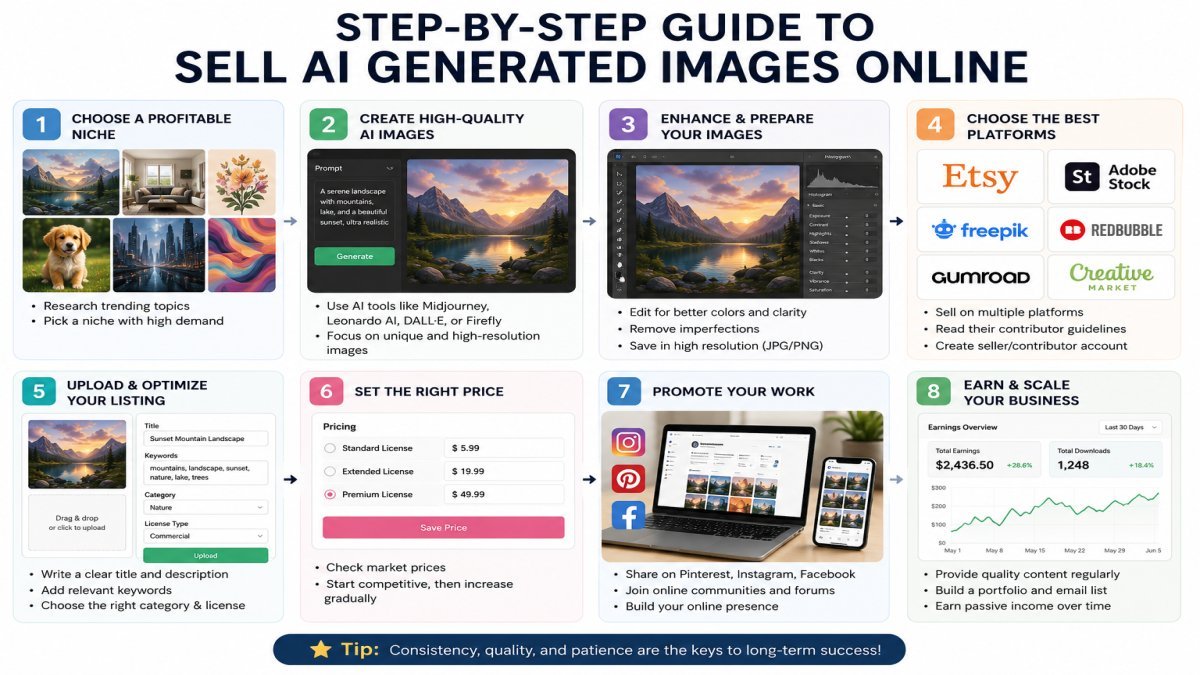
Selling AI generated images online is not just about creating pictures with an AI tool. You need a proper process to create useful images, find buyers, and grow your online business. Follow these simple steps to start selling your AI artwork.
Step 1: Choose a Profitable Niche
The first step is choosing a niche. A niche means a specific topic or category where you create images. Choosing the right niche helps you create images that people are more likely to buy.
Some popular AI image niches include:
- Business and marketing images
- Nature and landscape artwork
- Educational illustrations
- Fantasy and gaming artwork
- Social media graphics
- Printable wall art
Example:
Instead of creating random AI images, you can focus on “modern office illustrations for businesses” or “minimalist wall art for home decoration.” This makes it easier to find the right customers.
Step 2: Create High-Quality AI Images
After choosing a niche, use an AI image generator to create your designs. The quality of your images plays an important role in getting sales.
To create better images:
- Write clear and detailed prompts.
- Try different styles and ideas.
- Create multiple versions.
- Select the best results.
Example:
A simple prompt like “a dog” may create an average image. But a detailed prompt like “a golden retriever sitting in a modern living room, realistic style, soft lighting, high quality” can create a more attractive image.
Step 3: Improve and Edit Your Images
AI-generated images are not always perfect. Editing can make your images look more professional and unique.
You can improve your images by:
- Fixing small mistakes
- Adjusting colors and brightness
- Improving image quality
- Removing unwanted objects
- Adding creative elements
Example:
You can take an AI-generated travel image, improve the colors, add text, and turn it into a professional travel poster.
Step 4: Check Copyright and Commercial Rights
Before selling any AI image, check whether you have the right to use it commercially.
You should check:
- AI tool license rules
- Platform guidelines
- Copyright restrictions
Example:
If you create an image using an AI tool that allows commercial use, you may use it for digital products or selling. But if the tool has restrictions, you should avoid selling that image.
Step 5: Prepare Your Images for Selling
Before uploading your images, make them ready for customers.
You should create:
- A clear title
- A helpful description
- Relevant keywords
- High-quality preview images
Example:
Instead of naming an image “AI Image 001,” use a descriptive title like “Minimalist Mountain Landscape Wall Art Printable.”
A good title helps customers find your product easily.
Step 6: Upload Your Images to the Right Platform
Choose a platform that matches your image type. Upload your images with proper descriptions and keywords.
For example:
- Etsy → Printable artwork and digital downloads
- Adobe Stock → Stock images
- Redbubble → Product designs
- Gumroad → AI image collections
Start with one or two platforms and learn what works best for you.
Step 7: Promote Your AI Images
Creating images is only one part of the process. Promotion helps more people discover your work.
You can promote your AI images through:
- Your own website
- Online communities
Example:
If you sell AI wall art, you can share attractive previews on Pinterest and direct interested people to your online store.
Step 8: Keep Improving and Uploading New Images
Success with AI image selling takes time. Keep learning, creating new designs, and improving your skills.
Study which images get more views and sales, then create more content similar to those styles.
The more valuable and unique images you create, the better your chances of building a successful AI image business.
Best AI Image Niches That Sell Well
Choosing the right niche is one of the most important steps when selling AI generated images online. A niche helps you focus on a specific type of image and create content for the right audience.
Not every AI image has the same value. Some categories have more demand because businesses, creators, and customers use them regularly. If you create images that solve a real need, your chances of getting sales can increase.
When I first tested AI image marketplaces, I noticed that uploading random images did not bring many views. After focusing on one niche and writing better titles, my images became easier to find. This taught me that quality is more important than quantity.
Here are some popular AI image niches that can sell well:
1. Business and Marketing Images
Businesses always need visual content for websites, advertisements, presentations, and social media. AI-generated business images can help companies save time and create attractive designs.
Examples:
- Office teamwork illustrations
- Technology backgrounds
- Marketing banners
- Startup and business concept images
Best customers:
- Small businesses
- Bloggers
- Marketing agencies
- Website owners
2. Printable Wall Art
Printable wall art is one of the popular categories for digital product sellers. People buy unique designs to decorate their homes, offices, and personal spaces.
Examples:
- Minimalist home posters
- Nature landscapes
- Abstract artwork
- Motivational quote designs
For example, you can create a beautiful AI-generated mountain landscape and sell it as a printable home decoration.
3. Social Media Graphics
Content creators and businesses need fresh images every day for platforms like Instagram, Pinterest, and websites. AI images can help them create attractive social media content.
Examples:
- Instagram post templates
- YouTube thumbnail backgrounds
- Promotional graphics
- Quote designs
A creator may buy your AI-generated social media templates to save time when creating content.
4. Educational Illustrations
Teachers, students, and educational websites often need simple and clear visuals. AI can help create custom illustrations for learning materials.
Examples:
- Science diagrams
- History illustrations
- Educational posters
- Children’s learning images
For example, an educational website may use AI-generated illustrations to explain difficult topics in a simple way.
5. Technology and Future-Themed Images
Technology-related visuals are in high demand because many websites and companies write about AI, software, and digital trends.
Examples:
- Artificial intelligence concepts
- Robot illustrations
- Future city designs
- Digital technology backgrounds
These images can be useful for blogs, presentations, and marketing campaigns.
6. Fantasy and Creative Artwork
Fantasy artwork attracts people who love unique and imaginative designs. These images can be used for posters, book covers, games, and personal projects.
Examples:
- Fantasy landscapes
- Magical creatures
- Sci-fi worlds
- Character concepts
For example, a game developer may need fantasy backgrounds or character ideas for a project.
7. Product and E-commerce Images
Online sellers need high-quality product visuals for their stores. AI-generated images can help create attractive product backgrounds and promotional designs.
Examples:
- Product mockups
- Beauty product backgrounds
- Food presentation images
- Lifestyle product scenes
Tips to Choose a Profitable AI Image Niche
Before selecting a niche, ask these questions:
- Do people need this type of image?
- Are businesses or creators using these images?
- Can I create better and more unique designs?
- Is there less competition in this category?
The best approach is to start with one niche, understand your audience, and create high-quality images consistently. A focused AI image portfolio has a better chance of attracting buyers than a collection of random images.
Pro Tip: Focus on one niche first. A small portfolio of high-quality images often performs better than hundreds of random images.
How Much Money Can You Make?
One of the most common questions beginners ask is, “How much money can I make by selling AI generated images online?” The answer depends on many factors, such as image quality, platform choice, niche, marketing, and how consistently you create new images.
There is no fixed income guarantee. Some beginners may earn a small amount in the beginning, while experienced creators with a large portfolio can earn more over time.
Factors That Affect Your Earnings
1. Quality of Your Images
High-quality and useful images have a better chance of attracting buyers. People usually pay for images that solve a problem or save their time.
For example:
A simple AI-generated landscape image may get fewer sales, but a professional business illustration or a ready-to-use social media template may have more value.
2. Number of Images You Sell
Creating more useful images can increase your chances of earning money. A larger portfolio gives customers more options to choose from.
For example, a creator with 10 high-quality images may get fewer opportunities than someone who has 500 well-designed images in different categories.
However, quality is more important than just uploading hundreds of random images.
3. Platform You Choose
Different platforms have different earning models.
For example:
- On stock image websites, you may earn when customers download or license your images.
- On digital product platforms, you can sell image bundles at your own price.
- On print-on-demand websites, you may earn from products that use your designs.
Choosing the right platform for your type of images can affect your income.
4. Your Marketing Skills
Creating good images is only one part of the business. You also need to help people discover your work.
You can promote your AI images through:
- Social media
- Your website
- Online communities
Example:
A creator selling AI wall art can share attractive previews on Pinterest and bring visitors to their store.
5. Your Niche and Customer Demand
Some niches have more demand than others. Images that businesses and creators regularly need may have better earning opportunities.
Example:
AI images for business presentations, websites, and marketing materials may have more commercial value than random decorative images.
Realistic Earning Expectations
When you start selling AI images, focus on learning and building a portfolio instead of expecting quick money. Your earnings may grow as you create better images, understand your customers, and improve your selling strategy.
For example:
- A beginner may start with a few sales and small earnings.
- A consistent creator with a strong portfolio may build a regular income stream over time.
The key is to create valuable images, upload consistently, and improve based on customer feedback.
Remember, selling AI generated images is not a shortcut to instant money. It is a creative online business that requires patience, learning, and continuous improvement.
Common Mistakes Beginners Make
Many beginners feel excited when they start selling AI generated images online. However, they often make simple mistakes that reduce their chances of getting sales. If you know these mistakes early, you can avoid them and build a better AI image business.
1. Using AI Images Without Checking the License
One of the biggest mistakes is not reading the AI tool’s license. Not every AI image generator gives you permission to sell the images it creates.
Example:
A beginner creates beautiful AI artwork and uploads it for sale without checking the commercial license. Later, they discover that the AI tool does not allow commercial use.
Tip:
Always check the AI tool’s license before selling your images.
2. Uploading Low-Quality Images
Some beginners upload blurry, unfinished, or poorly designed AI images. Buyers usually prefer clear, professional, and high-quality images.
Many beginners focus only on creating images, but they often forget that good titles, keywords, and consistent uploads are equally important for getting sales.
For example:
A low-resolution AI image with strange hands or incorrect details is less likely to attract customers than a clean and polished image.
Tip:
Review every image carefully and improve it before uploading.
3. Writing Poor Titles and Descriptions
Your image may be great, but people may never find it if the title and description are not helpful.
Example:
A title like “Image 001” does not explain anything.
A better title is “Modern Office Workspace Illustration for Business Presentation.”
Tip:
Use clear titles and descriptions with relevant keywords.
4. Ignoring Keywords
Many beginners upload images without using the right keywords. This makes it difficult for customers to find their work.
Example:
If your image shows a mountain at sunset, keywords like mountain, sunset, nature, landscape, and wall art can help customers discover it.
Tip:
Choose keywords that clearly describe your image.
5. Copying Popular Designs
Some beginners try to copy famous artworks, logos, movie characters, or other creators’ styles too closely.
Example:
Creating an AI image that looks exactly like a famous cartoon character may cause copyright problems.
Tip:
Create original and unique AI images instead of copying others.
6. Giving Up Too Early
Many people upload a few images, get no sales in the first month, and stop trying.
Example:
A beginner uploads 15 images and expects immediate success. When sales do not come quickly, they quit.
Tip:
Keep learning, improve your prompts, and upload new images regularly.
7. Not Understanding Customer Needs
Some beginners create images they personally like instead of images that customers actually need.
Example:
A business owner may be searching for professional office illustrations, but the seller only uploads random fantasy artwork.
Tip:
Research your audience and create images that solve real problems.
Final Tip
Making mistakes is a normal part of learning. The important thing is to learn from each mistake and keep improving. If you focus on quality, originality, useful keywords, and customer needs, you will have a better chance of growing your AI image business over time.
Tips to Increase Your AI Image Sales
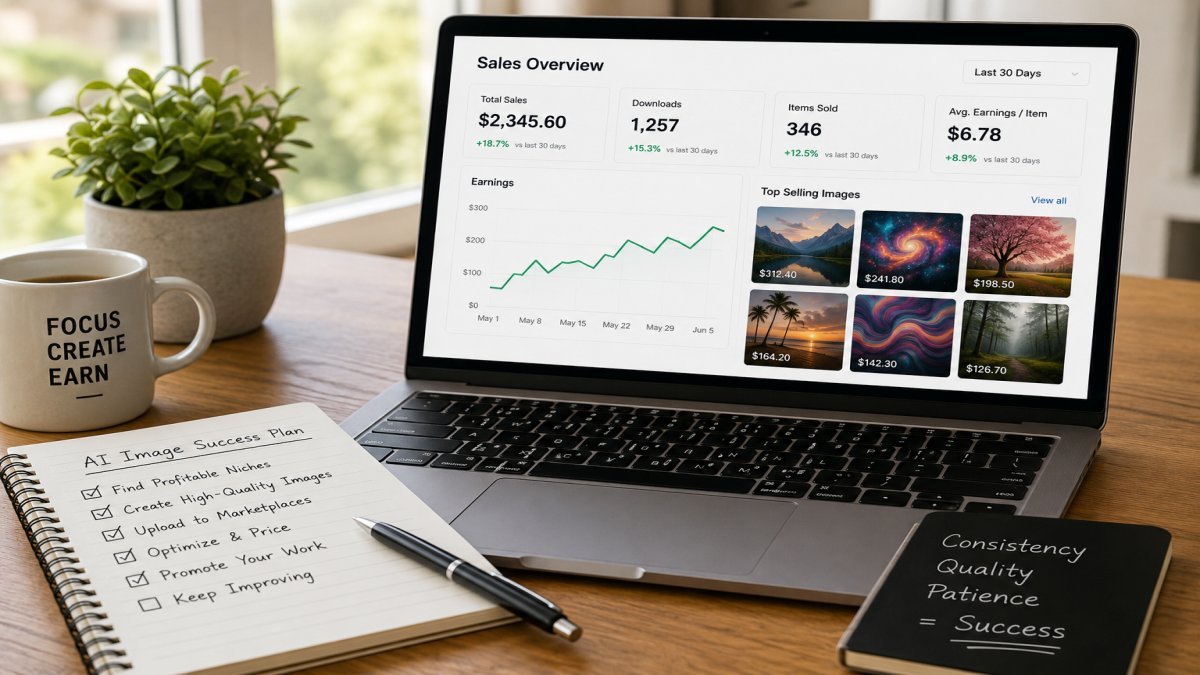
Creating beautiful AI images is only the first step. If you want to sell more AI generated images online, you also need the right strategy. The following tips can help you reach more buyers and increase your sales over time.
Do you want to know what other ways there are to earn money using AI?
1. Focus on One Niche
Instead of creating random images, choose one niche and become an expert in it. This helps you build a strong portfolio and attract the right audience.
Example:
If you create business illustrations, keep creating similar high-quality images instead of switching to many different categories every day.
2. Create High-Quality Images
People are more likely to buy images that look professional and useful. Spend time writing better prompts and improve your images before uploading them.
Before you start selling AI images, you should first learn how to create high-quality AI images.
Example:
Instead of uploading the first AI image you generate, create three or four versions and choose the best one.
3. Use Clear Titles and Relevant Keywords
Your images are easier to find when you use descriptive titles and relevant keywords.
Example:
Instead of writing “Beautiful Image,” use a title like “Modern Office Teamwork Illustration for Business Presentation.”
Add keywords that match your image naturally.
4. Upload New Images Regularly
Uploading images consistently helps you grow your portfolio and gives buyers more options to discover your work.
Example:
Instead of uploading 100 images in one day and stopping, upload a few new images every week.
Consistency is more important than speed.
5. Study Best-Selling Images
Look at popular images on the platform where you want to sell. Notice the image style, colors, titles, keywords, and categories.
Example:
If business illustrations are getting many downloads, you can create your own original business-related images with a unique style.
Do not copy other creators. Learn from successful trends and create something new.
6. Create Image Collections
Many buyers prefer image collections instead of a single image.
Example:
Instead of selling one travel image, create a pack of 20 travel-themed AI images. A collection can provide more value to customers.
7. Promote Your AI Images
Do not depend only on marketplace search results. Share your work on different platforms to reach more people.
You can promote your AI images through:
- Your blog or website
- Social media communities
Example:
If you sell printable wall art, you can share preview images on Pinterest and direct visitors to your online store.
8. Listen to Customer Feedback
Customer reviews and feedback can help you improve your images.
Example:
If buyers ask for more color options or different image sizes, you can update your future designs to meet their needs.
Final Tip
There is no secret trick to getting more sales. The best way to grow is to create useful, original, and high-quality AI images, upload them regularly, and keep improving your skills. Small improvements made consistently can lead to better results over time.
Is Selling AI Generated Images Legal?
Yes, selling AI generated images is legal in many situations. However, it depends on the AI tool you use, the platform where you sell your images, and the copyright rules that apply. Before selling any AI image, you should always read the AI tool’s license and the platform’s policies.
1. Check the AI Tool’s Commercial License
Not every AI image generator gives you the same rights. Some AI tools allow you to sell the images you create, while others may have restrictions.
Example:
If an AI tool says you can use your images for commercial purposes, you may be able to sell them on online marketplaces. If the tool does not allow commercial use, you should not sell those images.
Tip:
Always read the license before creating images for your business.
2. Follow the Marketplace Rules
Every website has its own rules for AI-generated content. Before uploading your images, read the platform’s latest AI content policy.
Example:
A marketplace may allow AI-generated images but ask you to label them correctly or follow specific submission guidelines.
Tip:
Following the platform’s rules can help you avoid rejected uploads or account problems.
3. Avoid Copyright Problems
AI can create amazing images, but you should not use it to copy someone else’s work.
Avoid creating images that include:
- Famous cartoon characters
- Movie characters
- Company logos
- Brand names
- Artwork that closely copies another artist’s style
Example:
Creating a completely original fantasy dragon is generally a better choice than trying to recreate a famous movie dragon.
4. Create Original AI Images
The safest approach is to create unique images using your own ideas and prompts. Original work is more valuable to buyers and helps reduce copyright risks.
Example:
Instead of asking AI to copy a famous painting, create a new landscape with your own style, colors, and creative ideas.
5. Stay Updated
Rules about AI-generated content can change over time. AI companies and selling platforms may update their policies as technology develops.
Tip:
Check the latest rules before uploading new images, especially if you have not sold images for a while.
Final Advice
Selling AI generated images can be a great opportunity, but it also comes with responsibility. Use AI tools that allow commercial use, follow marketplace rules, create original content, and avoid copying other people’s work. By following these simple steps, you can build a safer and more trustworthy AI image business.
Important: Never upload AI images that copy famous characters, logos, or copyrighted artwork. Always follow the AI tool’s license and the marketplace’s rules.
What should you do now?
- Choose one AI image generator.
- Create your first five images.
- Pick one marketplace.
- Upload your portfolio.
- Improve based on customer feedback.
Frequently Asked Questions
1. Can I legally sell AI generated images?
Yes, in many cases you can sell AI generated images. However, you should first check the AI tool’s commercial license and the selling platform’s rules.
Example:
If an AI image generator allows commercial use, you may be able to sell your images on online marketplaces.
2. Which website is best for selling AI generated images?
There is no single best website. The right platform depends on what you want to sell.
Example:
- Etsy is popular for printable wall art and digital downloads.
- Adobe Stock is a good option for stock images.
- Gumroad is useful for selling AI image bundles directly.
Choose the platform that matches your goals and image type.
3. Do I need copyright for AI generated images?
This depends on the AI tool you use and the copyright laws in your country. AI tools have different rules about ownership and commercial use.
Always read the AI tool’s license before selling your images.
4. Can beginners make money by selling AI images?
Yes. Beginners can start selling AI images if they create useful and high-quality designs.
Example:
A beginner can create printable wall art, business illustrations, or social media graphics and sell them online. It may take time to get regular sales, so be patient and keep improving.
5. Which AI image generator is best for beginners?
The best AI image generator depends on your needs, budget, and the type of images you want to create.
Look for a tool that offers:
- High-quality images
- Easy-to-use features
- Commercial use options
- Good image editing tools
Always compare different tools before making a decision.
6. Can I sell AI generated images on Etsy?
Yes, you can sell AI generated images on Etsy if your images follow Etsy’s policies and the AI tool allows commercial use.
Example:
You can sell printable wall art, digital posters, planners, and other digital products created with AI.
7. Can I sell AI generated images on Adobe Stock?
Adobe Stock accepts certain AI-generated content, but you must follow its latest contributor guidelines and submission requirements.
Before uploading your images, read the platform’s AI content policy to understand what is allowed.
8. How can I avoid copyright problems?
The best way to avoid copyright problems is to create original AI images and follow the AI tool’s license and the marketplace’s rules.
Avoid creating images that copy:
- Famous characters
- Brand logos
- Movies or TV characters
- Other artists’ original artwork
Creating unique images with your own ideas is the safest approach.
Conclusion
Selling AI generated images online can be a great way to earn money if you focus on quality, originality, and consistency. Start with one AI image niche, create useful images, and choose the right platform to sell them. Always check commercial licenses and follow platform rules to avoid copyright problems.
Do not expect instant success. Keep learning, improve your skills, and upload new images regularly. Small improvements over time can lead to better results.
We hope this guide from UseAiLearn has helped you understand how to sell AI generated images online with confidence. Now it is your turn to take action. Create your first AI image, upload it to a trusted platform, and begin your journey today.